NOOPS/AI2 Tickets ↗
SydneyFriday 11 December 2026Genuinely limited seating

NOOPS briefing / 001

AI2 — AI Investor

SydneyFriday 11 December 202608:30–15:00

The AI market is repricing in real time.

A half-day briefing for investors, founders and strategy leaders. Understand where AI is creating and destroying value, and what will shape the market next.

CAPITAL→CONSTRAINT→CAPABILITY→CONSEQUENCE→CAPITAL
01

Why attend

The investment brief

See where value is moving across the AI economy.

AI is changing what software costs to build and who can build it. At the same time, demand for power, materials, data centres and chips is reshaping markets far beyond technology.

AI Investor shows how these forces connect—and what they mean for investors, founders and strategy leaders deciding where to place capital, attention and effort.

No panels. No pitches. Six evidence-led briefings. One clear view from infrastructure to applications.

What you’ll take away

Leave with understanding, not just notes.

  1. 01

    A view of the whole market

    Understand how energy, data centres, chips, models and applications affect one another.

  2. 02

    The constraints that matter

    Separate temporary bottlenecks from limits that may shape costs, margins and growth.

  3. 03

    Better questions

    Assess founders, portfolio companies and internal forecasts against the evidence available now.

02

The programme

How the programme is structured

From infrastructure
to applications.

We start with the physical foundations AI depends on—materials, energy, and the semiconductors and data centres that are increasingly the same problem at different scales. Then we examine models, the software built around them, and the applications customers are paying for.

THE FRAMEWhy AI², and how fast each layer moves
01

Opening framing

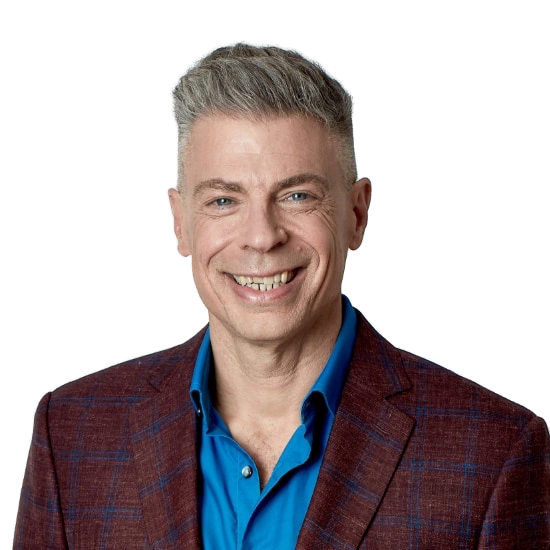
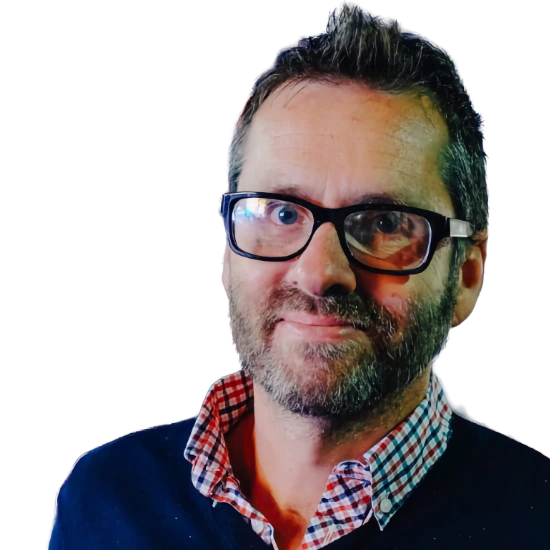
John AllsoppJohn AllsoppCo-founderNOOPSMark PesceMark PesceCo-FounderNoops

John Allsopp and Mark Pesce set out the morning's map. AI is not one market but a stack, from atoms to applications: materials, energy, semiconductors and data centres at the bottom, then models, harnesses and the applications built on them. Each layer moves at a different speed, carries different risks, and captures value in different ways. This short opening gives you the frame to read every briefing that follows, and the questions to keep asking all morning.

Learn more ↗
02

Pace layers

Drew BreunigDrew BreunigCEO and Co-founderCmpnd

Some parts of the AI stack change every week. Others take a decade and billions of dollars to shift. Drew Breunig borrows the idea of pace layers to explain why that matters: the fast layers grab the headlines, but the slow layers set the constraints and often hold the durable value. A short keynote on telling the froth from the foundations, and on where in the stack lasting advantage is likely to settle.

Learn more ↗
BLOCK ONEPhysical layer
03

Matter

Mark PesceMark PesceCo-FounderNoops

Every AI system starts as a few dozen elements, and the refining of many of them sits in one or two countries: helium in Qatar, bromine in Israel and Jordan, yttrium and erbium in China. Refining capacity takes years to expand, so whoever controls these inputs sets the pace for every layer above. Mark Pesce maps the choke points, and what they mean for investors and for Australia.

Learn more ↗
04

Energy

AI demand arrived in quarters, while grids, transmission and turbines take most of a decade to build. That makes a connected, powered site the scarcest asset in the AI buildout. Jurisdictions with cheap solar, storage and fast approvals hold an advantage capital can't buy quickly, and Australia is one of them. Dr Andrew Mears, who founded SwitchDin and scaled it to Australia's leading distributed energy orchestration platform, looks at where electrons, compute and capital collide, and who captures the value.

Learn more ↗
05

Semiconductors and data centres

Speaker to be announced

Five companies (TSMC, ASML, Samsung, SK Hynix and Micron) make the wafers, lithography and memory every AI system needs, and they are sold out for years. Pricing power has moved to the fab and the memory maker: even Nvidia guides below its customers' demand because it can't get enough of either.

BLOCK TWOModels to markets
06

Models

Igor CostaIgor CostaCEOAutohand AI

Models are the one layer of the stack getting cheaper while everything beneath them gets dearer. Open-weight models trail the frontier by months, and enterprise inference prices are falling fast. Model makers risk becoming commodity suppliers, squeezed between falling prices and rising input costs, with the margin flowing to whoever puts cheap intelligence to work. Igor Costa, CEO of Autohand AI, explains what that means for anyone backing model companies or building on them.

Learn more ↗
07

Harnesses

Tanya DixitTanya DixitForward Deployed EngineerGoogle

A harness is the memory, tools and loops wrapped around a model, and it now moves results more than the model does: the same model can swing dramatically in score and cost depending on the harness. This is where falling model prices turn back into value. Tanya Dixit of Google explains what a harness is and why a good one matters, shows examples from software engineering, finance and research, and maps the open ground: harnesses built for specific professions, and harnesses that improve themselves.

Learn more ↗
08

Applications

AJ FisherAJ FisherVP Digital ScienceTetratherix

Applications are where the trillions being spent on AI infrastructure have to earn their return, and the scorecard so far is mixed: the SaaS selloff reversed, and seat-priced software has beaten the market since April. The longer trend still runs against seats and toward systems of record, outcome pricing, and firms that run on loops of agents in place of payroll. AJ Fisher, VP Digital Science at Tetratherix, looks at what is shipping, who is buying, and where defensibility is settling.

Learn more ↗
CLOSEThe synthesis
09

Closing synthesis

John AllsoppJohn AllsoppCo-founderNOOPSMark PesceMark PesceCo-FounderNoops

John Allsopp and Mark Pesce pull the morning together: what the briefings told us about each layer of the stack, where the layers depend on each other, and where risk and opportunity concentrate. You leave with a clear view of the questions to ask of any AI investment or strategy, before continuing the conversation with speakers over lunch.

Learn more ↗

Run of day

Brief. Question. Move.

  1. Doors + coffee
  2. Opening thesis
  3. Physical layer
  4. Intermission
  5. Models to markets
  6. Closing synthesis
  7. Lunch with speakers and attendees

Built for the people making the call

Different mandates.
The same moving target.

Venture capitalInvestment teamsFamily officesCorporate strategyFoundersOperators

This is technology and market analysis—not stock tips, price targets or financial product advice.

03

The room

The Gold Melting Room, The Mint

Where the gold
was actually melted.

The Mint is the oldest surviving public building in Sydney's CBD—built as part of Governor Macquarie's Rum Hospital, paid for in 45,000 gallons of rum, and later the first branch of the Royal Mint outside London. The Gold Melting Room is where colonial gold was turned into currency. It seemed like the right room to spend a morning working out where the capital goes next.

PRACTICALITIES10 Macquarie Street, Sydney
↗

Getting there

Top of Macquarie Street, a few minutes from Martin Place. Wheelchair accessible.

⌁

Lunch

Not a formal sit-down: seated and standing both, spilling into the courtyard if the weather holds.

04

Why NOOPS

Hosted by John Allsopp + Mark Pesce

Eight decades building with technology—not watching from the sidelines.

Mark Pesce

Mark Pesce

Technologist · Author · Futurist

Inventor of VRML. Columnist for The Register. Four decades reading the intersection of technology, culture and markets.

Full biography ↗
John Allsopp

John Allsopp

Developer · Publisher · Event maker

Founder of Web Directions and AI Engineer Conference. Twenty years producing world-leading events focused on what matters next.

Full biography ↗
NOOPS publishes at the speed AI moves:daily signalsweekly synthesislong-form research

Sydney · 11 December 2026

One ticket.
One year of signal.

Your seat at AI2 includes lunch and twelve months of NOOPS Pro: the complete signals dashboard, daily briefings, research and quarterly reports.

Genuinely limited seating.

AI2 + NOOPS PRO

$995 AUD

Early Bird · until 27 November

Standard $1,295 · 28 November–11 December
On sale until the morning of the event, Fri 11 December

  • Half-day investor briefing
  • Lunch with speakers and attendees
  • 12 months of NOOPS Pro
Register ↗

Secure registration and payment are managed by Web Directions.

Three ways in

01 / THE EVENT

Buy a ticket

Get the complete thesis in one day, then continue the conversation over lunch.

$995AUD

Early Bird · until 27 November

Then $1,295 Standard — on sale until the morning of the event

  • Six evidence-led briefings
  • Lunch with speakers and attendees
  • 12 months of NOOPS Pro
  • Genuinely limited seating
Registration ↗
02 / THE EVENT LIST

Get event updates

Hear as the six-person speaker line-up is announced.

AI Investor updates and NOOPS membership are separate. You can unsubscribe from event news at any time.

03 / THE SIGNAL

Start with NOOPS

Create a free account for the weekly synthesis and curated dashboard highlights.

We’ll email you a secure login link. No credit card required.